- CEIS | POWER
- CEIS | GOVERNMENT
- EXPERTISE
- ABOUT
- CAREERS
- Contact
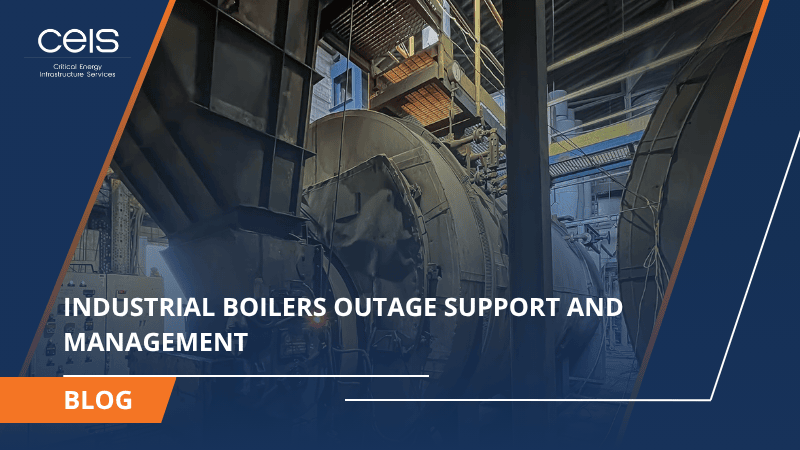
In many regions of the country, boiler plants play a critical role in providing heating for businesses. Just ask the residents and business owners of Youngstown, Ohio.
The downtown SOBE plant supplies heat and hot water to 28 buildings in the city. Last month, the single-boiler facility went offline for two weeks when its owner shut it down to replace the boiler. Since then, the system has operated only intermittently, leaving customers uncertain about the reliability of their service.
Without placing blame, the situation clearly illustrates the importance of robust outage management and operational support when performing planned work on boiler plants—whether they generate steam, hot water, or electricity.
Industrial facilities typically categorize outages into three types:
Shutdown
A temporary stoppage of operations to perform inspections, repairs, or routine maintenance. Shutdowns may be planned or unplanned and typically have a short duration.
Turnaround
A major, scheduled event planned as far as two years in advance. A turnaround halts all boiler operations to conduct in-depth maintenance, upgrades, or inspections. This type of outage affects the entire facility and may last from several weeks to several months.
Outage
An unscheduled interruption caused by equipment failure, emergencies, or other unforeseen circumstances. The full scope of work often cannot be determined until inspections reveal the underlying system issues.
Within industrial and manufacturing sectors, these events are commonly referred to as STOs—Shutdown, Turnaround, and Outage.
Boiler plants are complex systems that cannot simply be powered down like a household appliance. A shutdown or turnaround requires meticulous planning, and even emergency outages should have a documented Standard Operating Procedure (SOP) to guide a rapid response.
A well-executed shutdown generally follows five key steps:
Planning begins months before equipment is taken offline. While procedures vary by facility, early signs that an outage is needed often surface through daily logs and routine inspections. Once identified, plant managers begin considering the timing and scope of a planned shutdown.
Because taking a boiler offline is a significant undertaking, shutdowns are an ideal opportunity to address all identified issues—not just the primary repair. A thorough walk-through helps document any additional work that should be completed while the system is offline.
Shutdown managers then develop a detailed checklist outlining the full scope of work. Decisions are made regarding start dates, duration, and how to minimize service interruptions for customers. This may involve scheduling work during low-demand seasons, arranging backup services, or renting a temporary boiler.
With planning complete, the work site must be prepared. This includes ensuring safety compliance, clearing and organizing the workspace, and making sure all necessary precautions and procedures are in place. Safety is the top priority during this phase.
Following established SOPs, the plant is taken offline and repairs begin. Schedules are designed to account not only for planned tasks but also for unforeseen issues revealed during the inspection and repair process.
Depending on the scope, a shutdown may last anywhere from several weeks to multiple months.
Once repairs and maintenance are completed, start-up procedures begin. Depending on the equipment and system complexity, this process can take several days. During start-up, teams monitor all systems closely to ensure procedures are followed and all equipment is functioning correctly.
After the system is fully operational, the outage management team prepares a post-shutdown report for plant ownership. This document details all work performed, issues discovered, corrective actions taken, and recommendations for future operations.
CEIS Power specializes in project services and support, providing experienced project teams and hard-to-source professionals for the energy and industrial sectors. Clients benefit from a unique combination of utility and OEM-trained expertise that helps exceed operating and asset management goals while navigating change. Backed by deep experience with one of the largest technical staffing companies in the U.S., CEIS Power is focused on delivering reliable energy and infrastructure solutions.
INDUSTRIAL BOILER OUTAGE MANAGEMENT | STO PLANNING & EXECUTION | CEIS